Engineering Work
Civil Engineering
Civil engineering involves designing, creating and maintaining physical structures, like city infrastructure. If you enjoy math and science and are looking for a way to use your skills to benefit your community or a wider population, this might be an interesting career option to explore. The field of civil engineering is broad and contains a variety of specializations, so learning about the different types of careers you might pursue in this area can be a great way for you to begin your professional journey.
Mechanical Engineerig
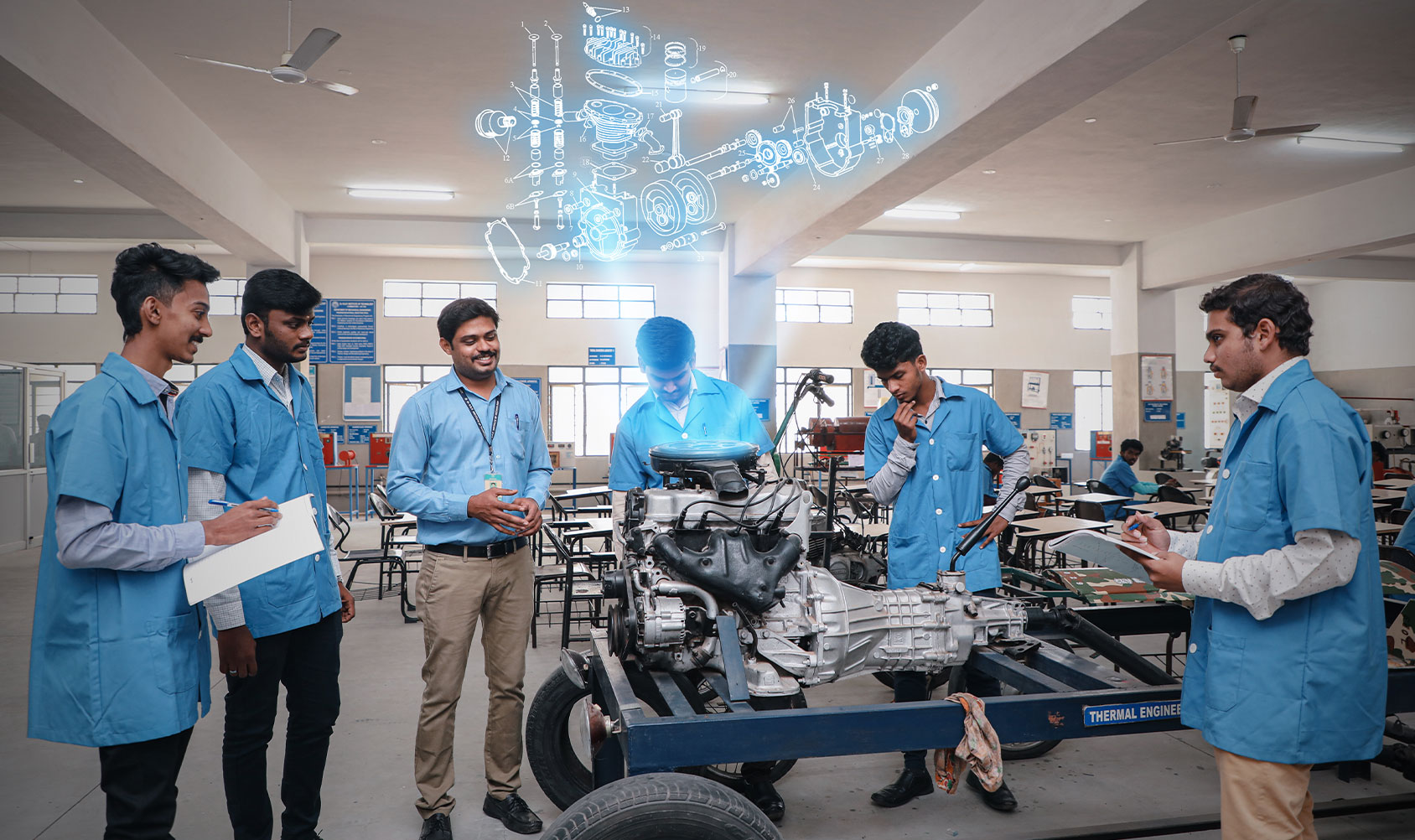
Mechanical engineering is a branch of engineering that involves the design, manufacture, and operation of machinery. It applies engineering, physics, and materials science principles to analyse, design, manufacture, and maintain mechanical systems. Mechanical engineers use the principles of mathematics and science to analyse and design machines, engines, and other mechanical systems. They also explore the behaviour of these systems in response to forces and understand how they interact with their environment. Mechanical engineering is a broad field that covers a wide range of topics, such as thermodynamics, fluid mechanics, material science, robotics, and control systems.
Electrical Engineering
Electrical and electronics engineers design, develop, upgrade, and maintain electrical systems and equipment. The science of electricity applies to small and large projects, from household appliances or car transmissions to satellite communications systems or renewable energy power grids. Electrical engineers design, develop, test and manage the manufacturing of electrical equipment, from motors and navigation systems to power generation equipment and the components of vehicles and personal devices. Electrical engineering is an immensely broad field with job roles in a dizzying array of industries. From electric power generation and distribution to cars to smartphones, electrical engineers are integral parts of thousands of companies.