Biomass Pellets Manufacturer and Supplier
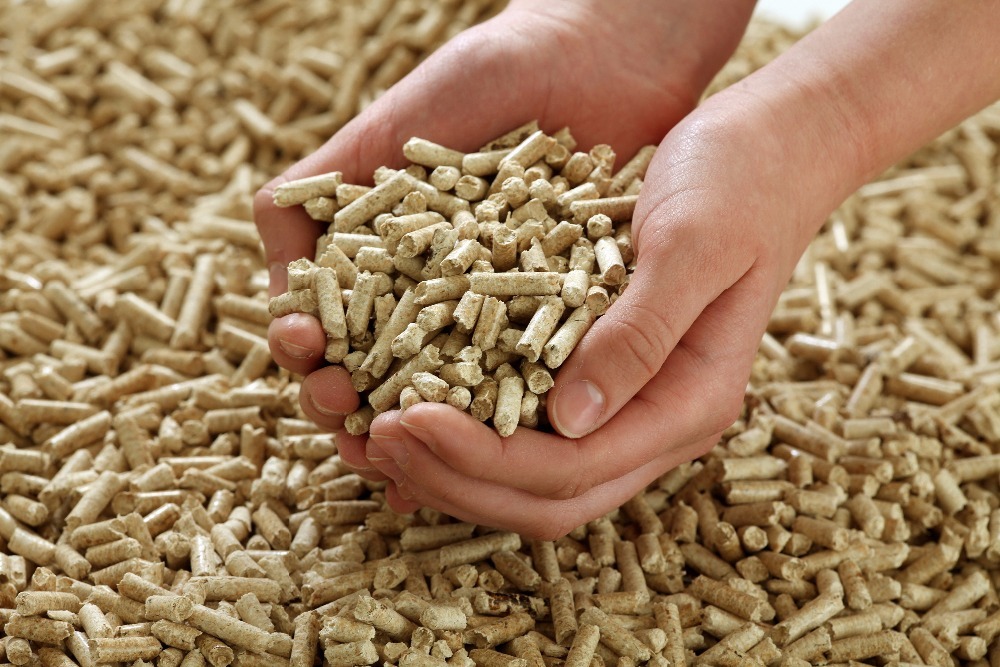
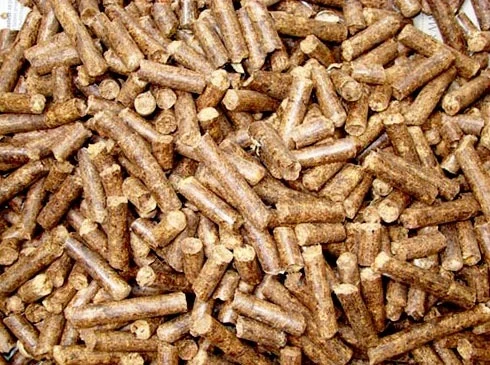
Biomass technologies for decentralized heat and electrical energy are still at premature stages of development, implementation and commercialization in Ghana. Biomass pelletization has no well-known history in biomass production and consumption in the country. Pellets are excellent and low-priced energy feedstocks to replace oil; they are renewable, almost unlimited in quantity and environmentally friendly. Biomass pellets are solid fuels produced from residue feedstocks consisting of agricultural and forest biomass such as sawdust, straw and animal waste. Biomass pellets are produced to increase the energy and mass density of residue feedstocks, which makes them easy to store and transport. Biomass-based pellet feedstocks are used in many European countries in CHP facilities, notably in the Netherlands, Sweden, Greece, Germany and Denmark. The availability of agricultural biomass residues in Ghana provides an opportunity for biomass pellet production and consumption. Wood pellets produced from sawdust particles and chip residues from woods are a very clean source of energy. In the forest-rich south of the country, production of wood pellets may be possible even for commercial applications. This may also facilitate the establishment of systems of biomass pellet combustion and co-gasification for decentralized electricity.